
Indoor air quality can get worse in winter because your home is closed up more, and as temperatures drop, you spend more time indoors. That means you spend more time breathing the same recirculated air.
Dust, pet dander, cooking particles, cleaning products, and other indoor pollutants can build up faster when there’s less fresh air coming in. In Sarasota, FL, milder winter weather can also mean shorter AC cycles, so your system may remove less moisture from the air.
That makes fall a smart time to clean up the air your HVAC system is circulating, get indoor humidity under control, and deal with any musty or stale-air problems before they become more noticeable.
Start With the Air Your HVAC System Is Circulating
Your HVAC filter is the easiest place to start because it affects the air moving through the system every day. Check it rather than assuming it still has life left based on the date. A filter can load up faster in a home with pets, renovation dust, frequent HVAC use, or other sources of airborne particles.
Don’t automatically buy the highest-rated filter you can find, either. A filter that is too restrictive for your system can reduce airflow. The right choice balances particle capture with what your HVAC equipment is designed to handle.
If a standard filter isn’t doing enough for the problems you’re trying to address, our indoor air quality services include filtration and air-cleaning options that can provide another layer of particle control.
Don’t Assume Winter Means Humidity Stops Being a Problem
Indoor humidity still deserves attention during a Florida winter. Your AC removes moisture while it cools, so milder weather can actually mean the system runs less and does less dehumidifying. Meanwhile, cooking, showers, outdoor air, and everyday household activity continue adding moisture indoors.
Keep an eye out for signs that humidity is staying too high:
- Condensation on windows or other cool surfaces
- A house that feels damp even when the temperature is comfortable
- Musty odors in rooms, closets, or near vents
- Recurring mildew in bathrooms or other humid areas
- Indoor humidity readings that stay high for long periods
A basic humidity monitor can help you see whether the problem is occasional or persistent. If excess moisture continues even when the house feels cool, humidity control may need to be addressed separately from temperature control.
Pay Attention to What Your Vents Are Telling You
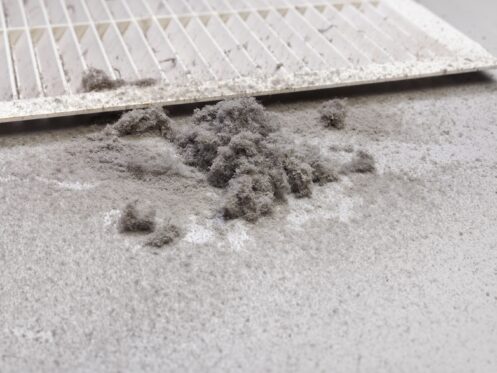
Visible dust around a vent doesn’t automatically mean the entire duct system needs cleaning. But heavy buildup, debris blowing from registers, persistent odors when the HVAC system starts, or evidence of contamination inside the ducts deserves a closer look.
Ducts can collect dust and other material over time, and leaks can also pull unwanted particles from attics or other areas into the air stream. When there is a real buildup problem, professional duct cleaning can remove contaminants rather than simply wiping off the registers you can see.
The important point is to respond to an actual problem instead of treating duct cleaning as an automatic yearly task. We can inspect the system and help determine whether cleaning, sealing, or another correction makes sense.
Look at the Pollutants Coming From Inside the House
Not every indoor air quality problem starts with the HVAC system. Once windows stay closed more often, pollutants produced inside the house can become more noticeable.
Cooking, candles, fireplaces, cleaning products, pet dander, new furniture, paint, and other household sources can all affect indoor air. Use exhaust fans when cooking and showering, choose lower-emission products when practical, and avoid masking musty or stale air with fragrances. Covering an odor doesn’t address whatever is causing it.
If the weather is comfortable and outdoor conditions are good, periodically bringing in fresh air can also help. Just be mindful of outdoor pollen, smoke, or high humidity before opening the house up.
Use Fall HVAC Maintenance as an Air Quality Checkpoint
Fall is also a useful time to make sure the HVAC system itself isn’t contributing to an air quality problem. Dirty components, drainage issues, poor airflow, or excess moisture around the equipment can affect both system performance and the condition of the air moving through your home.
Regular service through an HVAC maintenance plan gives us a chance to check your equipment throughout the year instead of waiting for a comfort or air quality problem to become obvious.
If your home feels dusty, humid, stale, or musty heading into winter, contact AirNow Air Conditioning.


