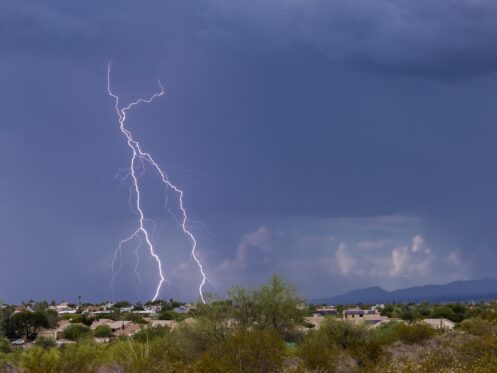
When summer storms roll through Sarasota, a quick afternoon downpour can bring lightning, power flickers, windblown debris, and heavy humidity. Your HVAC system works hard during this season, and storm damage can leave your home uncomfortable when you need cooling the most. The best way to protect your system is to prepare before severe weather arrives, reduce debris and electrical risks, make sure the outdoor unit is properly positioned, and schedule repairs if something seems wrong after the storm.
Sarasota homeowners also need to think beyond everyday thunderstorms. Hurricanes and tropical systems can bring stronger winds, heavier rain, and storm surge concerns, so your HVAC plan should account for both routine summer storms and more severe weather events.
What Storm Risks Can Affect Your HVAC System?
Summer weather can affect your HVAC system in several ways, especially when storms arrive during peak cooling season. The most common risks include:
- Power surges: Lightning, outages, and power flickers can affect electrical components.
- Windblown debris: Branches, leaves, patio furniture, and loose outdoor items can damage the condenser.
- Standing water: Heavy rain can collect around low or uneven equipment pads.
- High humidity: After outages, your AC may struggle to remove moisture from the air.
- Drainage problems: Storm-season humidity can make clogged condensate drains more noticeable.
Should You Cover Your Outdoor AC Unit Before a Storm?
For a typical Sarasota thunderstorm, your outdoor AC unit usually does not need to be covered. These units are designed to stay outside in normal rain. Covering the unit too often, or leaving a cover on too long, can trap moisture and restrict airflow.
Before a hurricane or tropical storm, you may need to cover your unit. If high winds and flying debris are expected, temporary protection may help reduce the chance of impact damage. A cover should never be used while the system is running, and it should be removed before the AC is turned back on.
Avoid wrapping the unit tightly with plastic or anything that holds moisture against metal surfaces. If you are not sure whether your system should be covered, secured, or inspected before a major storm, it is safer to ask a licensed HVAC technician than to guess.
Should Your AC Unit Be on a Pad or Raised Platform?
Your outdoor unit should sit on a stable, level pad or approved support. A level base helps reduce vibration, keeps the unit from shifting, and helps protect the equipment from direct contact with standing water.
In parts of Sarasota where flooding, poor drainage, or storm surge may be a concern, elevation can matter. That does not mean every system should be raised the same way. The right setup depends on the property, equipment type, manufacturer requirements, and local code. If your unit has settled, tilted, or sits in an area where water collects after storms, it should be evaluated by an HVAC technician.
How Can Professional AC Maintenance Help Before Storm Season?
Regular maintenance helps identify small issues before storm season makes them worse. During a maintenance visit, a technician can inspect electrical components, check system operation, evaluate airflow, look at the outdoor unit, and review the condensate drainage system.
That last point is especially important in Florida. When your AC removes moisture from indoor air, that water has to drain properly. If the drain line or pan has a problem, storm-season humidity can make the issue more noticeable. Scheduling AC maintenance in Sarasota, FL before peak summer weather can help your system run more reliably when storms, heat, and humidity overlap.
How Can You Reduce Wind and Debris Damage?
Before severe weather arrives, look around the area near your outdoor unit. Loose items can become hazards in strong wind, while overgrown landscaping can limit airflow around the condenser.
- Move patio furniture, toys, planters, umbrellas, and yard décor away from the unit before severe weather.
- Trim shrubs and branches around the condenser to support airflow.
- Keep mulch, soil, and landscaping from building up around the base.
- Do not place heavy objects on top of the outdoor unit.
- After the storm, look for debris, standing water, shifting, or visible damage before calling for service.
When Should You Schedule AC Repair After a Storm?
You should schedule service if the system will not turn on, the breaker trips repeatedly, airflow feels weak, the unit makes unusual noises, or you notice burning or electrical odors. Water near indoor HVAC equipment, poor cooling, or unusually high indoor humidity can also point to a problem.
Some issues may appear after power is restored, especially if the system experienced an electrical interruption. Delaying service can allow a small electrical, drainage, or airflow problem to become a larger comfort issue. If your system is acting differently after severe weather, professional AC repair in Sarasota, FL is the safest next step.
Stay Ready for Sarasota Storm Season
Storm season is easier to manage when your HVAC system is inspected, properly positioned, and ready for heavy use. For homeowners in Sarasota, that means planning for thunderstorms, hurricane conditions, humidity, and power interruptions before they cause trouble.
At AirNow Air Conditioning, we have served local homeowners since 1946. Our team offers 24/7 emergency service, financing available on approved credit, NATE-certified technicians, BBB accreditation with an A+ rating, and the Angi Super Service Award 2023.
To prepare your HVAC system for summer storm season or schedule service after severe weather, contact us today.


